

• About
    • Info & Team
    • Support
    • Storefront
  • Work
    • Undergraduate Work
    • Graduate Work
    • Alumni Work
    • Faculty Work
    • Co-op
  • Articles
    • Resource
    • Opinion
    • Treaty Lands | Global Stories
    • galt.
  • Community
    • Event
    • Initiatives
[email protected]
Bridge Bridge
  • About
    • Info & Team
    • Support
    • Storefront
  • Work
    • Undergraduate Work
    • Graduate Work
    • Alumni Work
    • Faculty Work
    • Co-op
  • Articles
    • Resource
    • Opinion
    • Treaty Lands | Global Stories
    • galt.
  • Community
    • Event
    • Initiatives

Living Agents in Construction: Protocells and Natural Computing with Rachel Armstrong

Jan 10, 2014 | Posted by Petra Bogias | Graduate Work |

I recently had the opportunity to share a few questions with Dr. Rachel Armstrong, specialist on living architecture and protocell technology, Senior TED Fellow and Co-Director of AVATAR (Advance Virtual and Technological Architectural Research) in Architecture & Synthetic Biology at The School of Architecture & Construction, University of Greenwich, London.

Here, I ask Rachel about her design philosophy involving protocells, sharing what its future place might be in the architectural profession.


Read the full interview here at frmlab.com


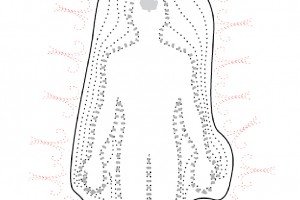
Dynamic droplets act as agents for a design philosophy that examines the complex relationships between people, materials, the environment and our technologies in an ecological age. (Armstrong, 2012)

Dynamic droplets act as agents for a design philosophy that examines the complex relationships between people, materials, the environment and our technologies in an ecological age. (Armstrong, 2012)
Tags: ACADIAcomputing Rachel ArmstrongF_RMlabInterview

About Petra Bogias

Petra is a graduate student at the University of Waterloo School of Architecture.

You also might be interested in

ACADIA 2013: Innovative Research Award - Elena Manferdini

Oct 23, 2013

The ADAPTIVE ARCHITECTURE 2013 ACADIA conference will be held in[...]

Video: Smart Geometries London 2013

Video: Smart Geometries London 2013

Apr 24, 2013

Three students from Waterloo Architecture recently attended the Smart Geometry[...]

THESIS: Liminal Matter: Diffuse, Adaptive Environments for a Future Dundas Square

THESIS: Liminal Matter: Diffuse, Adaptive Environments for a Future Dundas Square

Jan 12, 2015

Connor O'Grady will defend his thesis entitled "Liminal Matter: Diffuse, Adaptive Environments for a Future Dundas Square" on Friday January 16th, 2015 at BRIDGE Pop-Up located at 60 Main St. The design explores the capacity for an embedded, public, and adaptive architectural system to expose the liminal, “invisible” relations that affect the collective environment.

Search

Most Viewed this week

  1. BRIDGE_ICON_InDESIGN_squareOn Laying Out your Thesis in InDesign – Bridge
  2. Beggs - Chemo Suite Before and AfterTHESIS: Healing through Architecture – Bridge
  3. The generalized typologies of sites that van Eyck would use to create his playgrounds: (from left) Boulevard, Courtyard, Plaza, and ParkCase Study: van Eyck’s Playgrounds – Bridge
  4. Save us from the list of figures! Automating thesis drugery with InDesign – Bridge
  5. THESIS WORK / Tristan van Leur / Social Place Networks – Bridge

© 2018 — BRIDGE.