

Photo Essay: Guangzhou
At the core of one of the largest urban agglomerations on the planet lies the sprawling metropolitan city of Guangzhou, China. Nicole looks back on her recent trip there.
Guangzhou’s auspicious location on the Pearl River Delta has bolstered its growth through trade into becoming the third-largest city in China. Its history dates back 2200 years and is the birthplace of the Cantonese language.
Today, the city has become a fusion of the old and new, the historical and the cosmopolitan. Though fourteen million reside in its urbanized areas, many continue to reside in historical towns and villages, bringing the greater metropolitan area’s population to about twenty-five million. With a mother from the countryside and a father from the city, I was lucky enough to experience both of these lifestyles - the urban and the rural - during my visit.
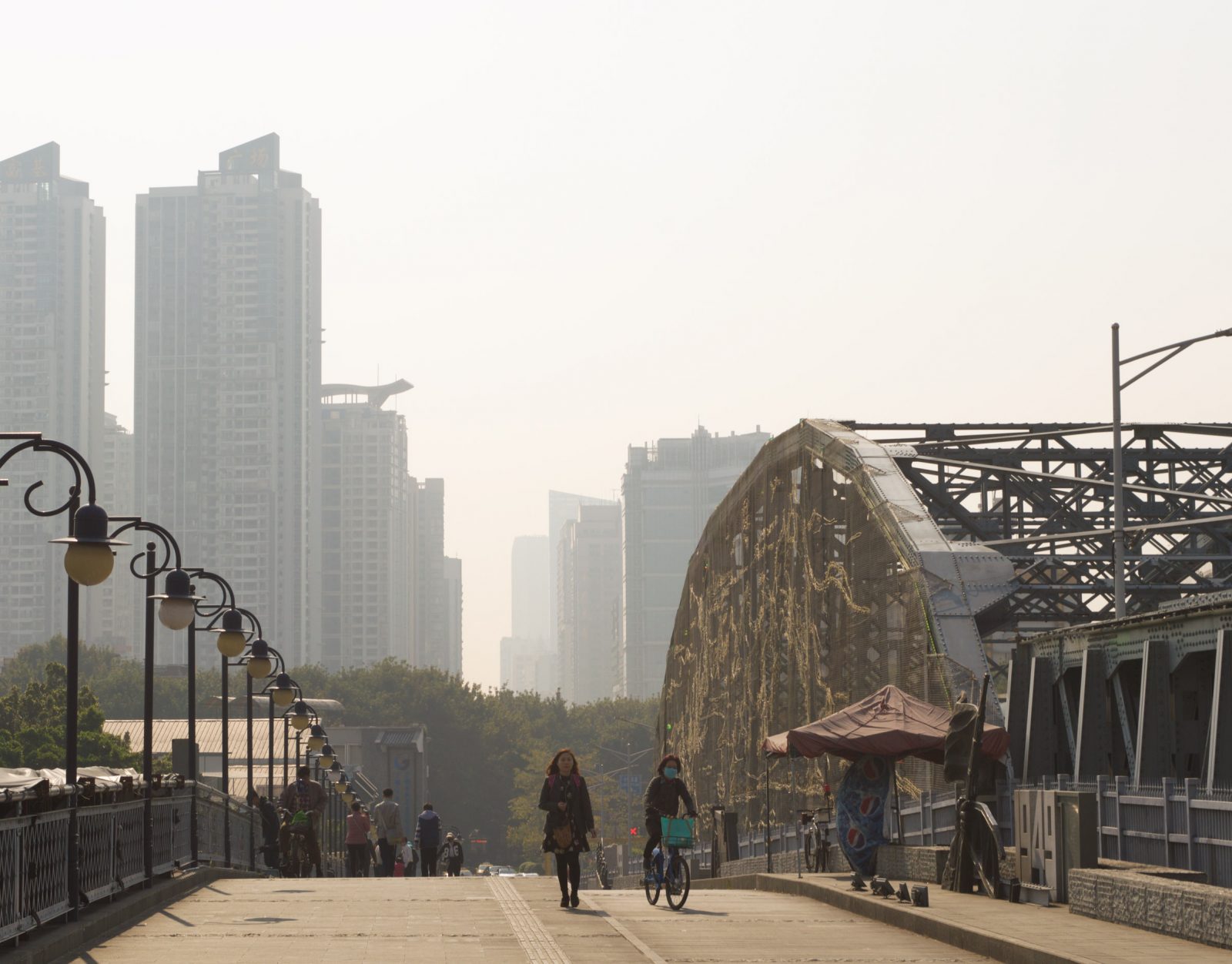
A landscape defined by the Pearl River, Guangzhou is home to a variety of bridges. Pictured above is Haizhu Bridge, the first bridge constructed over the Pearl River in Guangzhou.
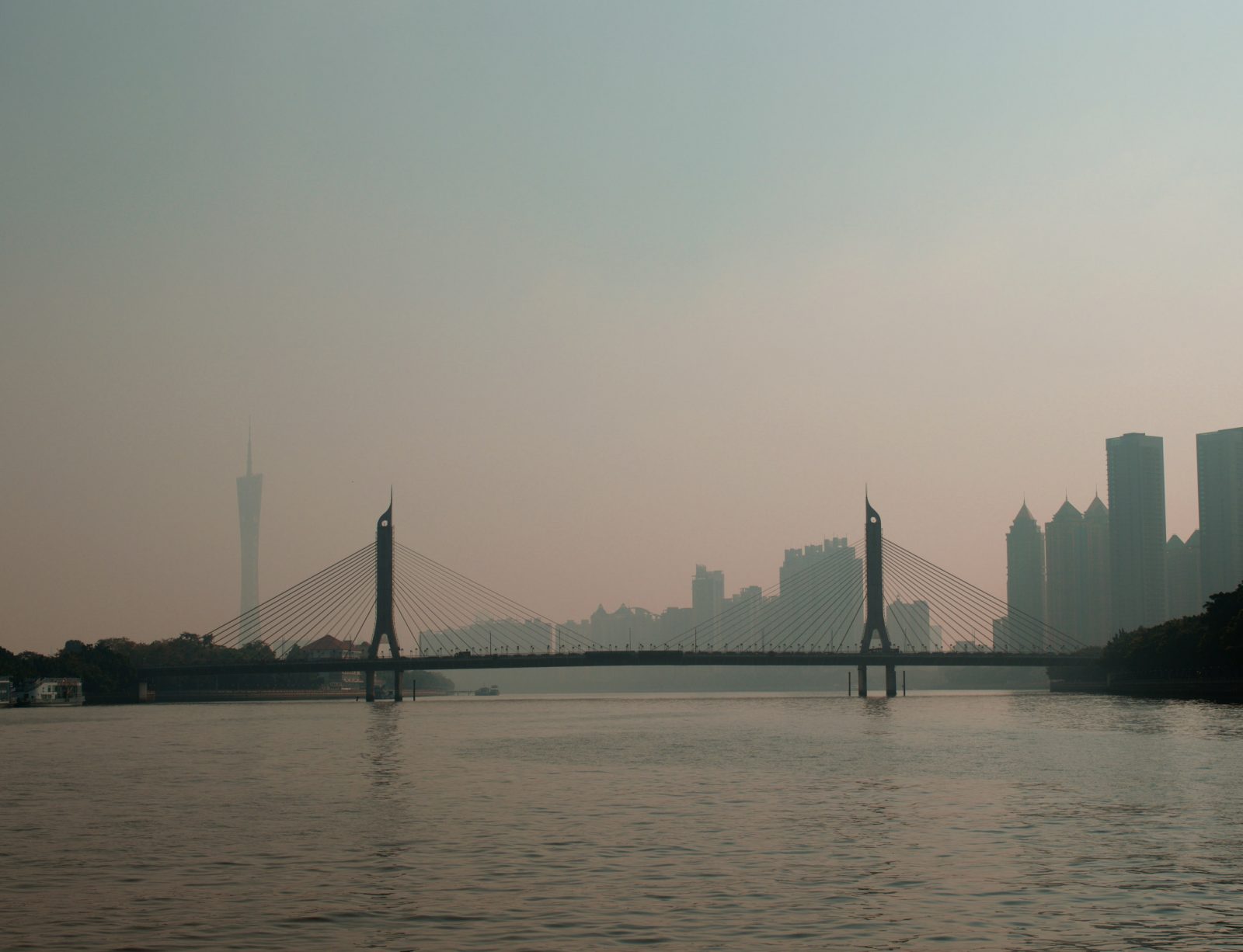
View of Hedong Bridge from the Pearl River Ferry.
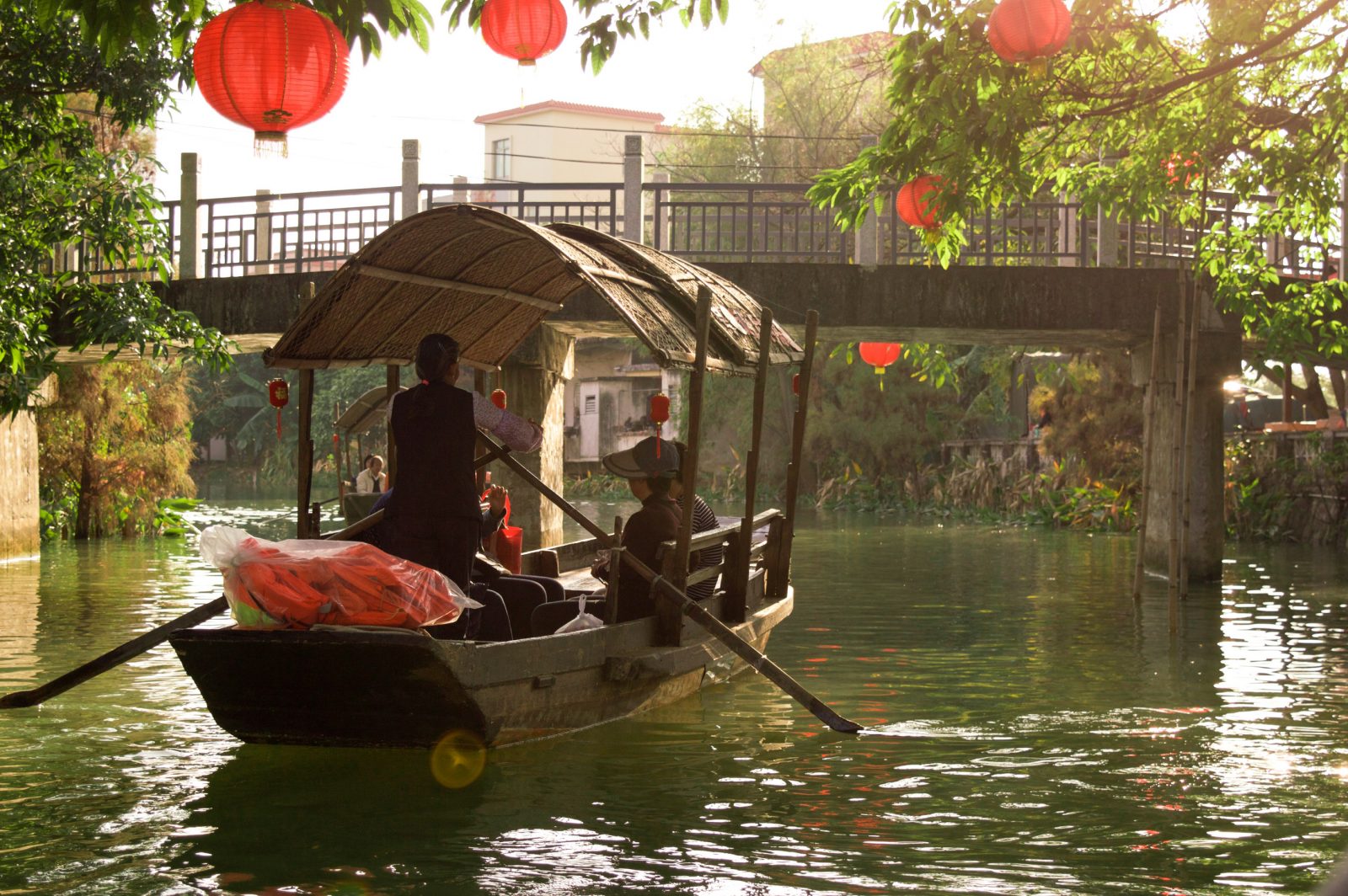
A very strong grandmother rows a group of tourists along a scenic river in Panyu District.
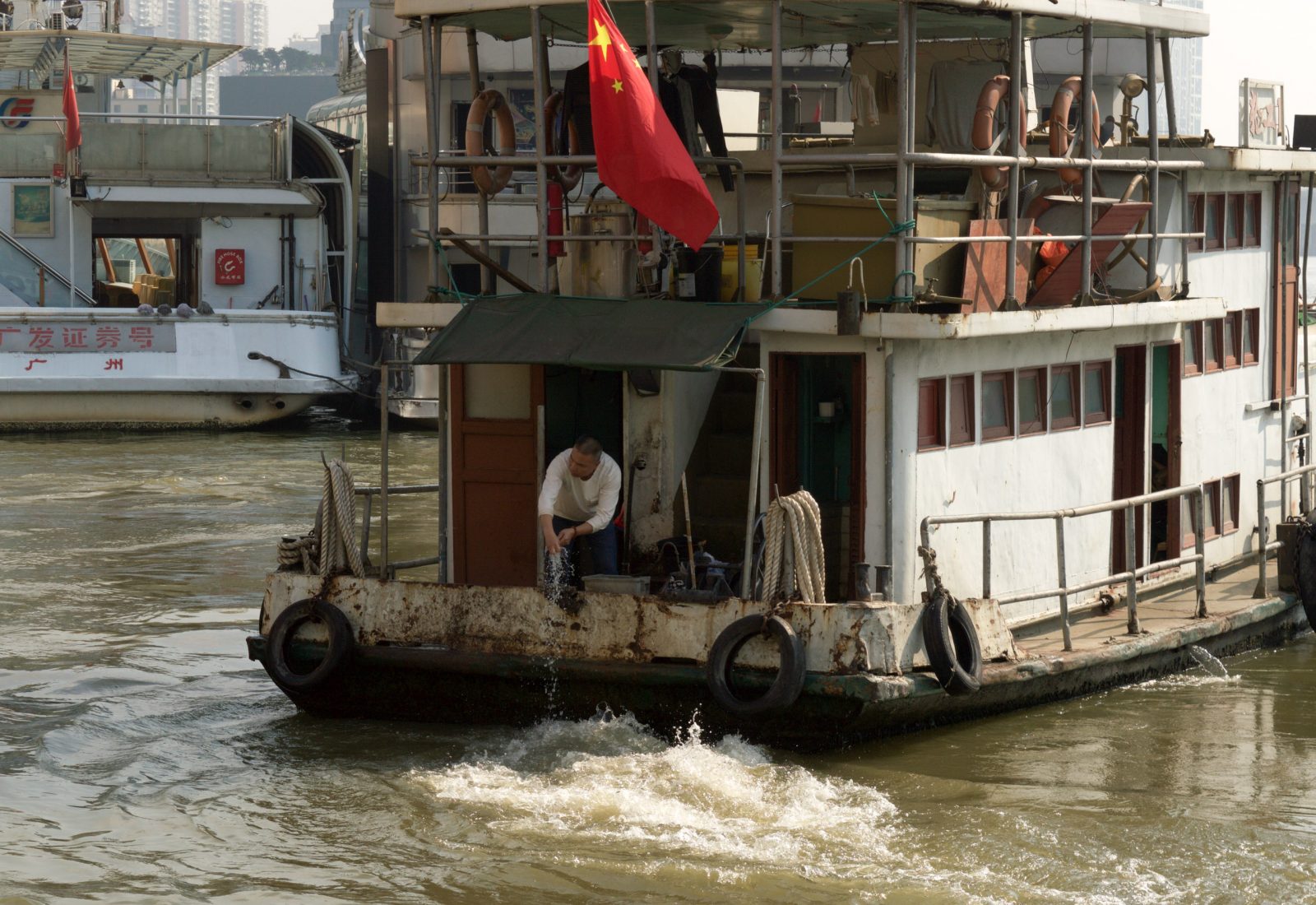
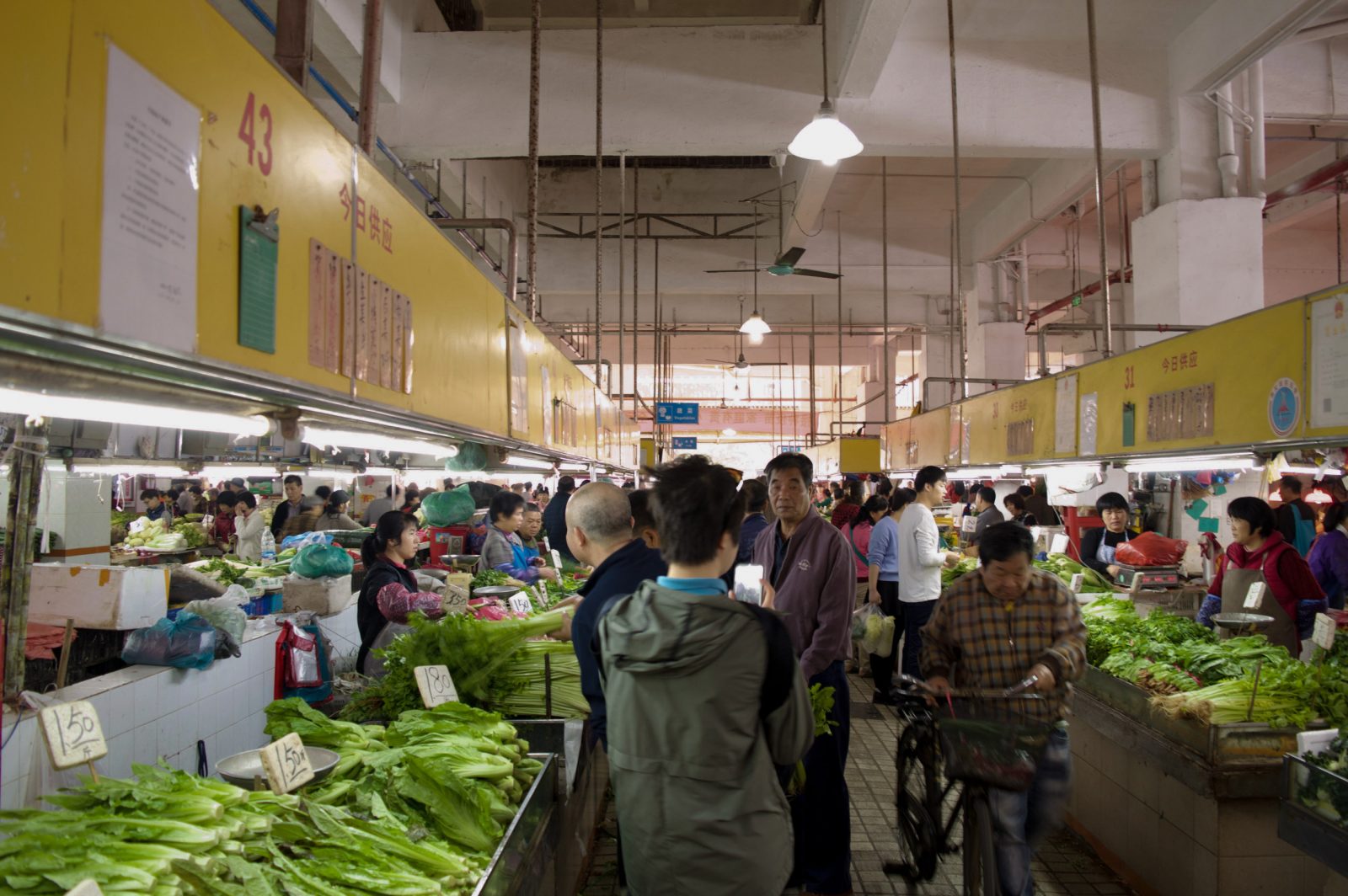
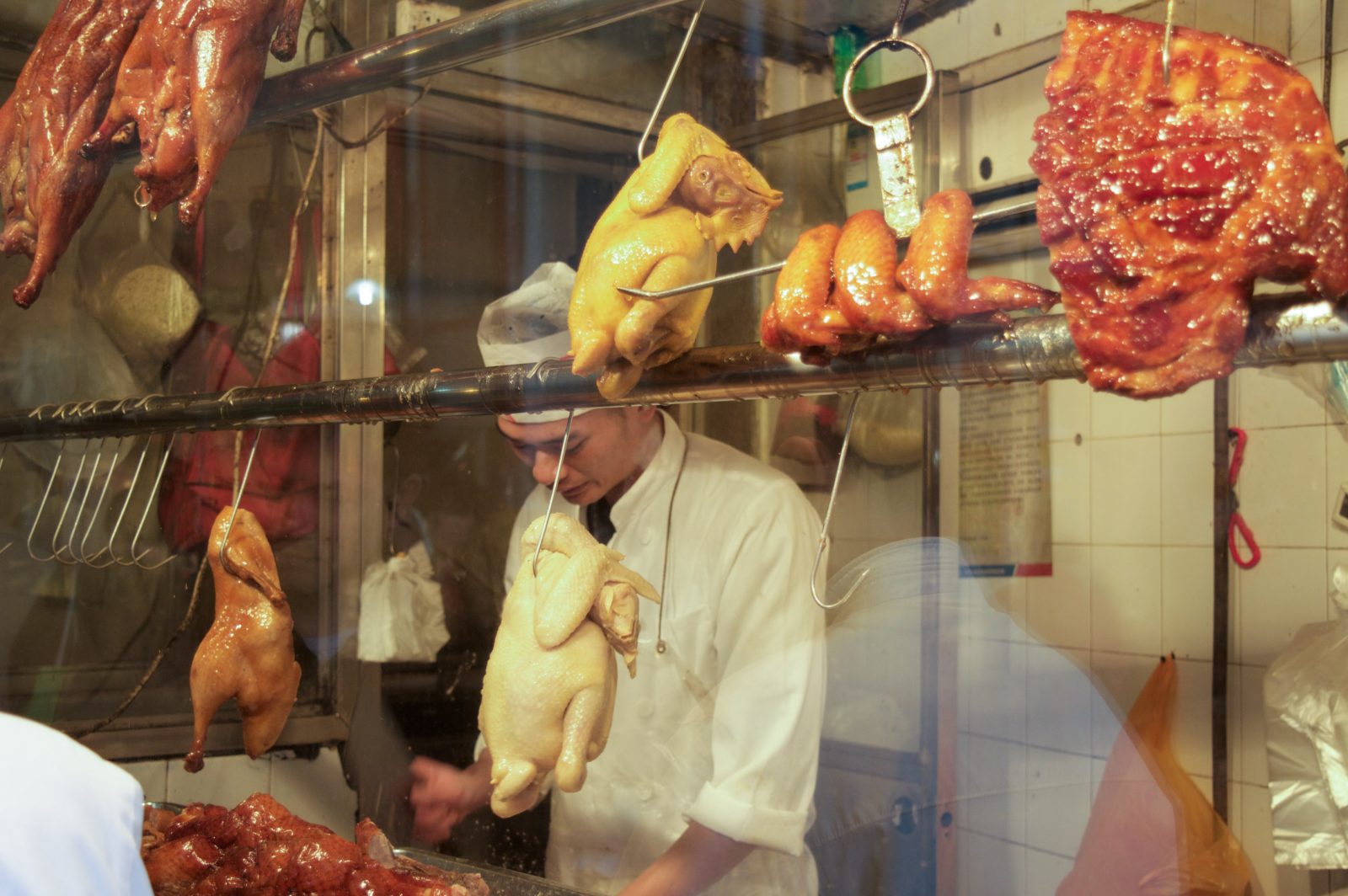
A neighborhood supermarket. Many prefer to purchase their groceries daily in order to use the freshest produce and meats possible, so markets are often crowded and lively places.
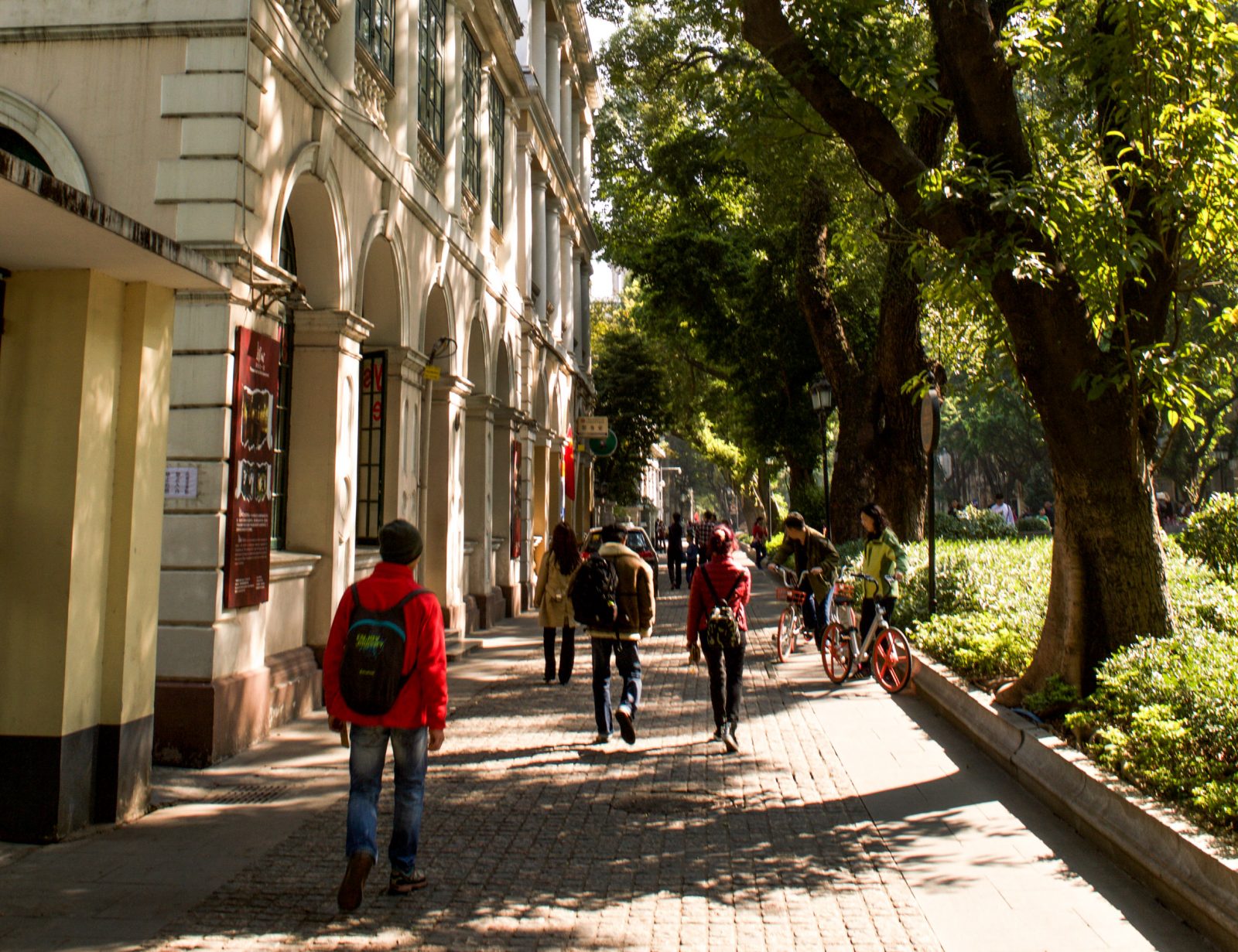
Shamian Island (translated literally to “sandy surface” in Chinese) is a reminder of Guangzhou’s colonial history. The area was given to France and the United Kingdom during the 19th century and housed foreign businessmen from various trading companies. Today, the area is home to European-style churches, bridges, former government buildings, hotels, and restaurants for tourists to explore.
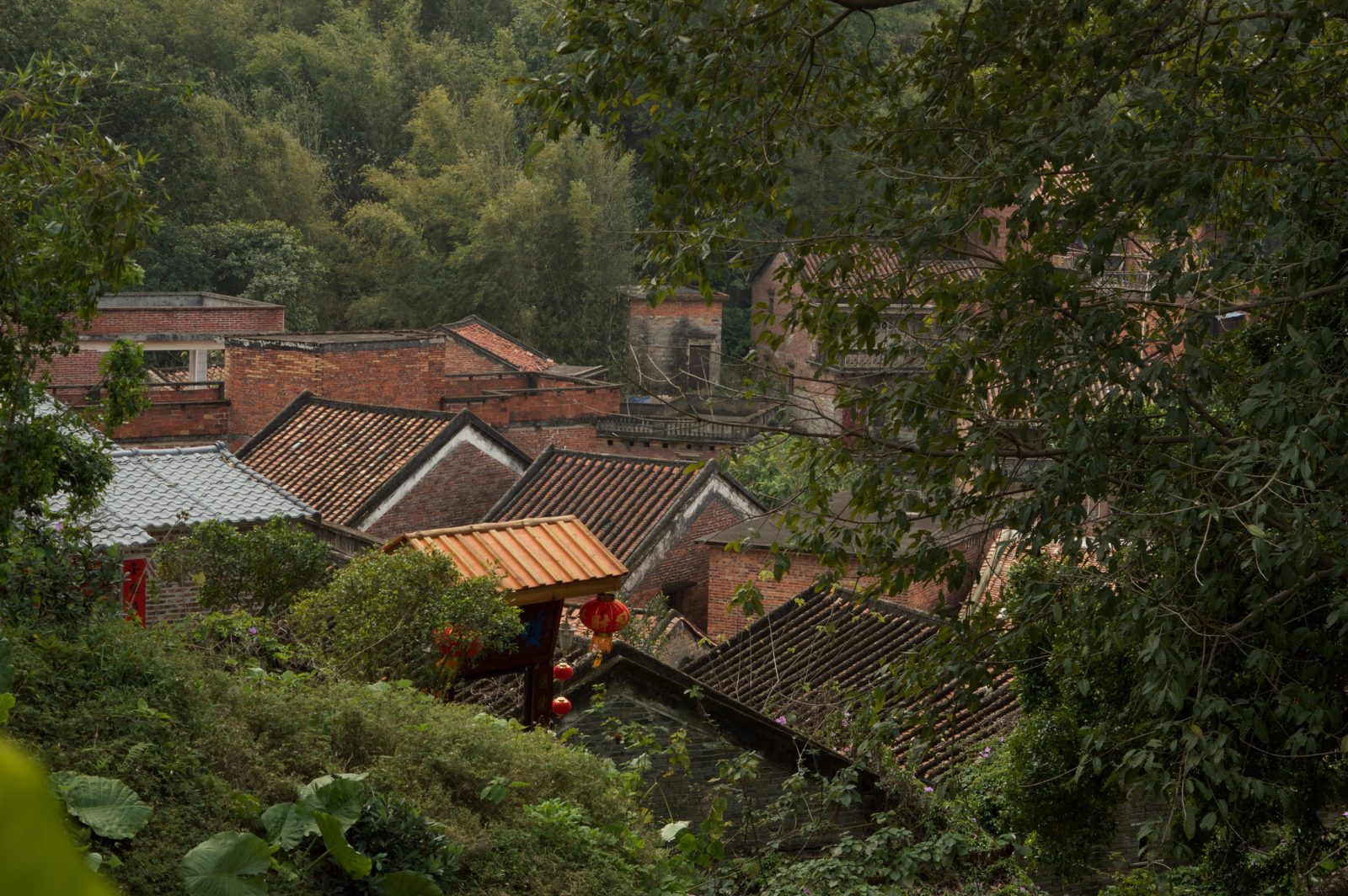
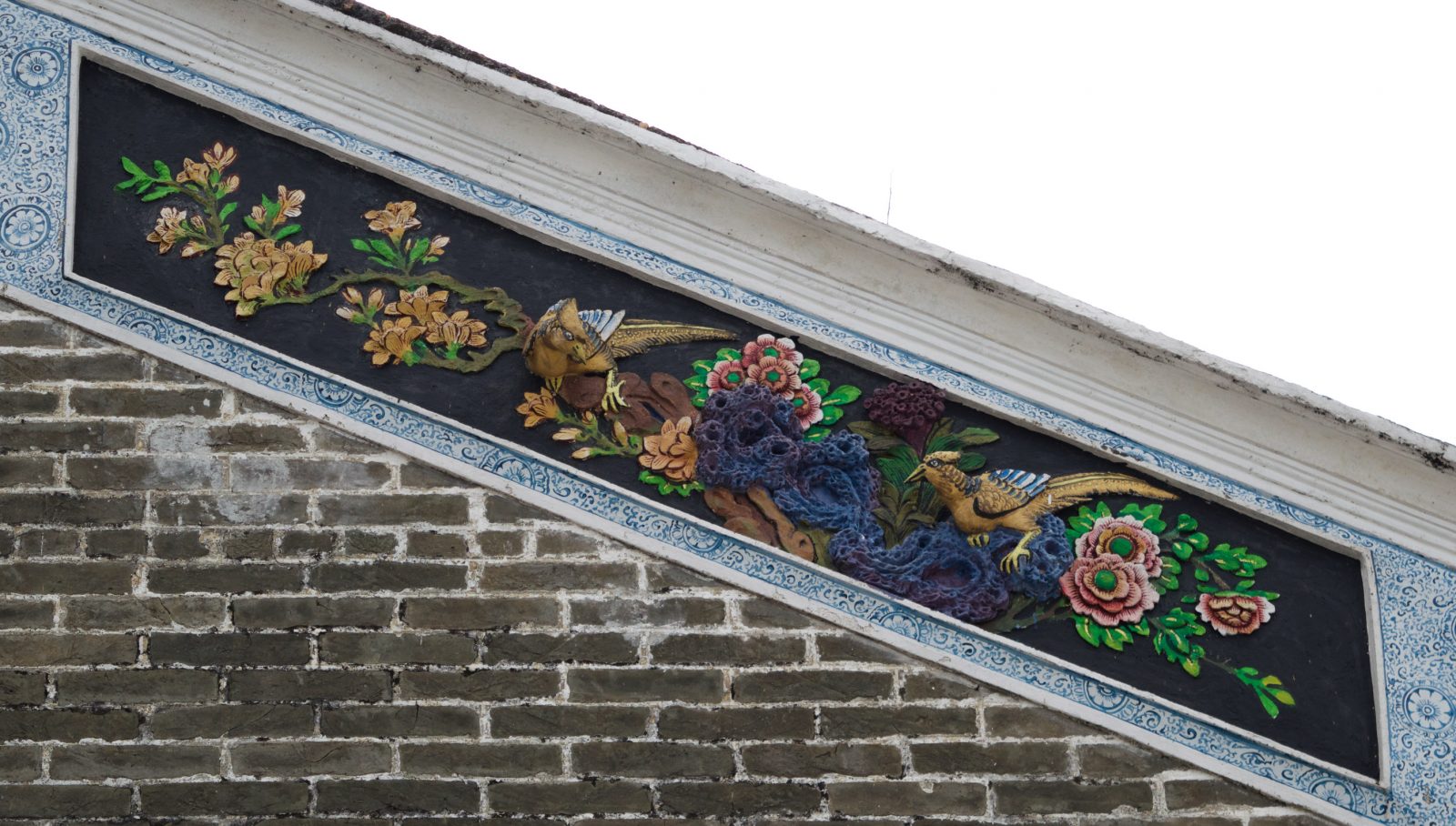
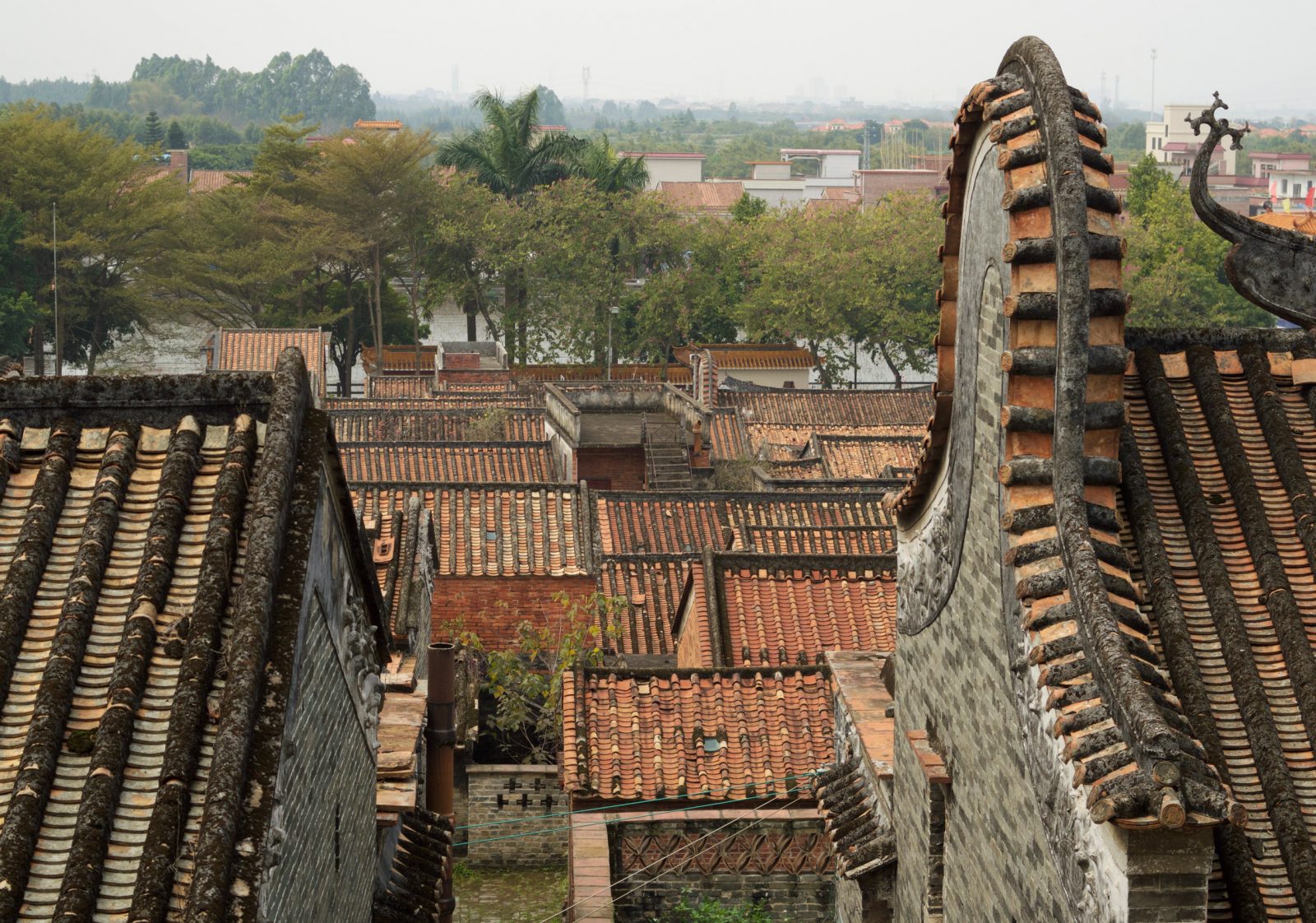
Sanshui Historical District, located in the prefecture-level city of Foshan. This historical village has retained many of its century-old homes and is open today for tourists to meander through its mossy alleyways.
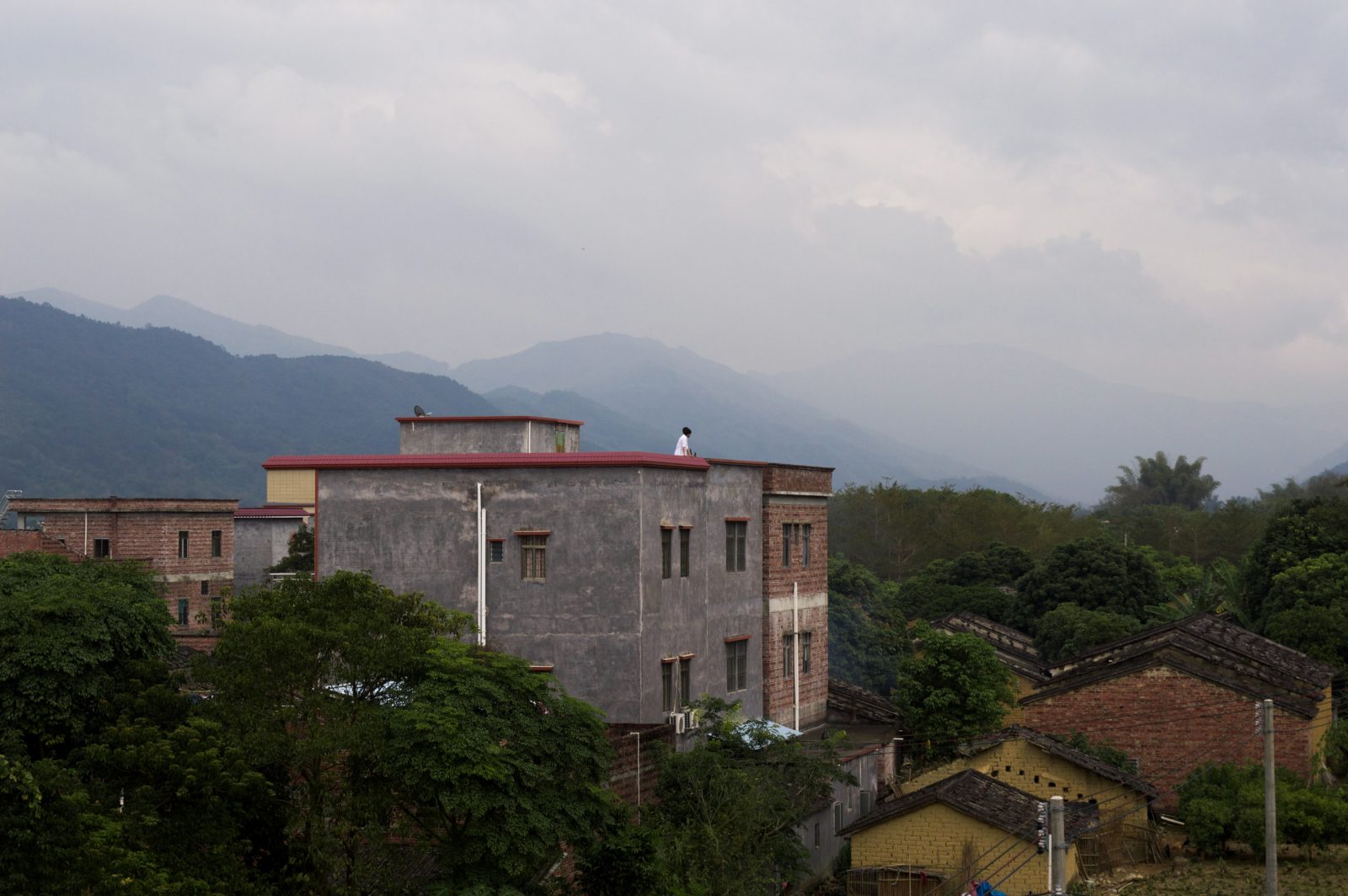
The town of Yangchun, where my mother grew up. The air here is cleaner, the buildings less dense. It’s not uncommon to see chickens running in the fields.
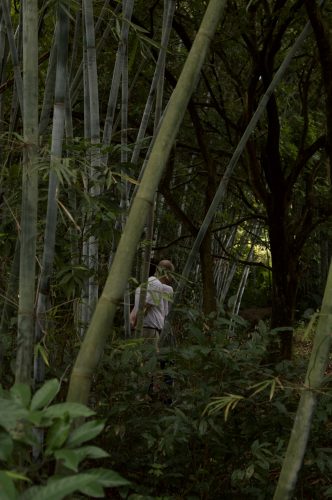
Behind my grandparents’ home, a bamboo forest.
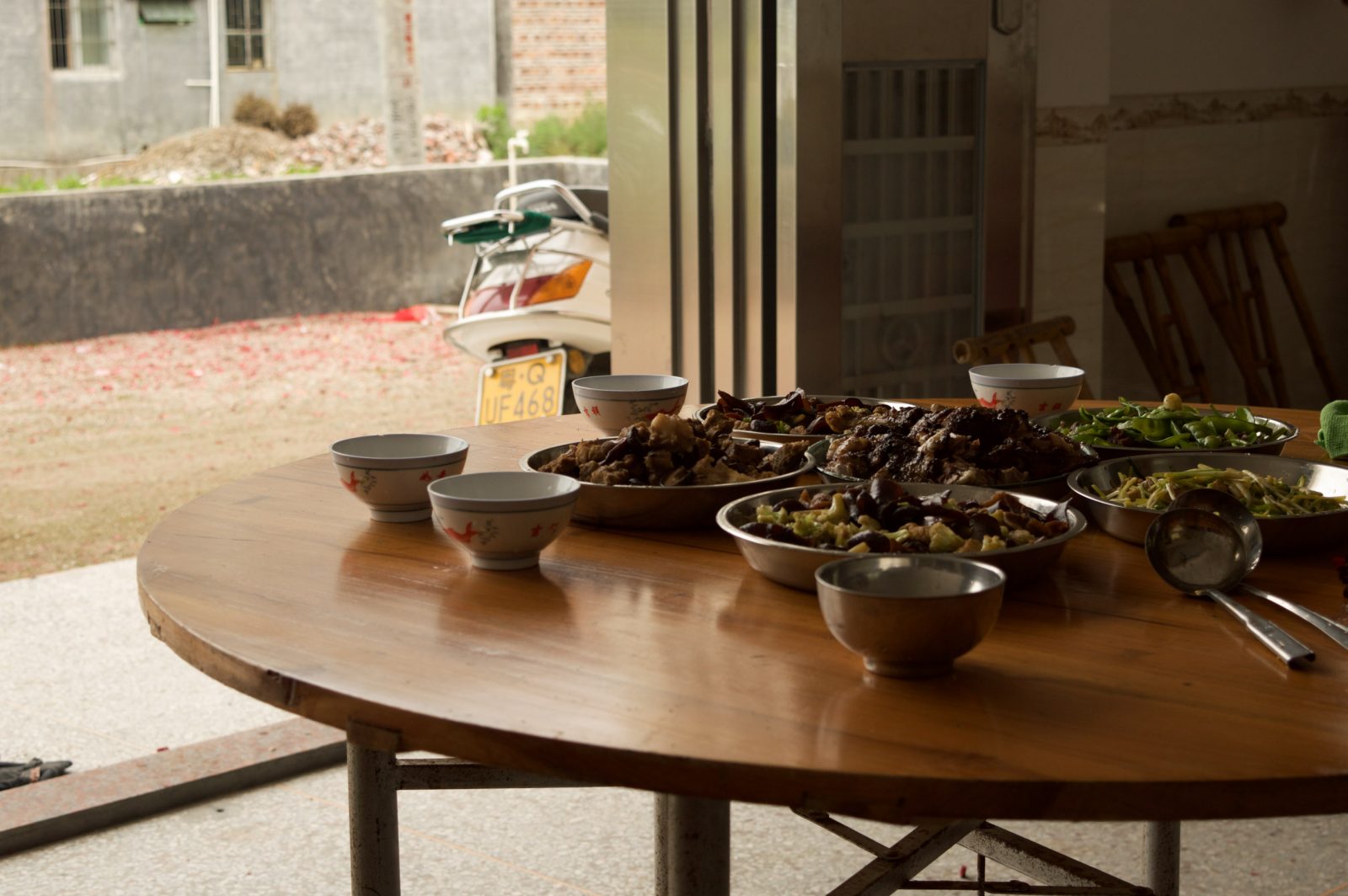
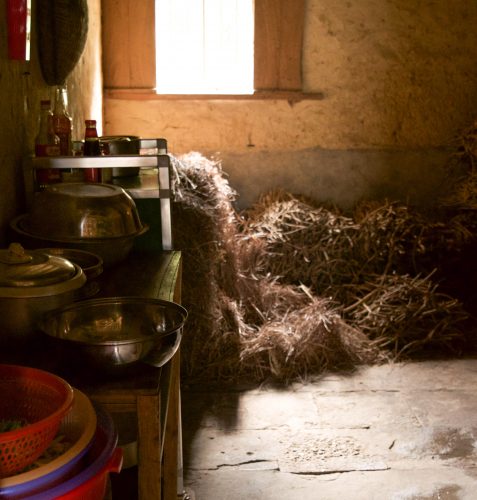
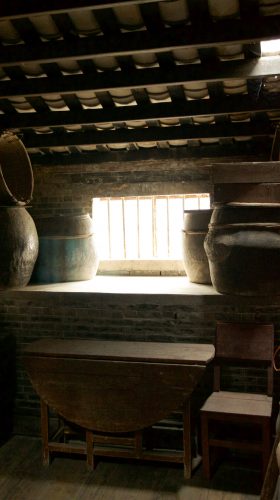
My mother recalls building her home with her family as a little girl. My grandparents still live in it today, and it remains as a place for gathering during family celebrations, particularly during Chinese New Year. The wood-fire stove gives their cooking a distinctive smoky flavour.
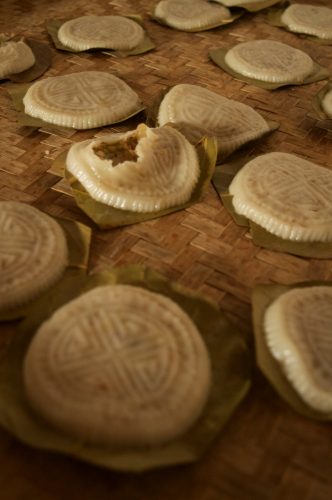
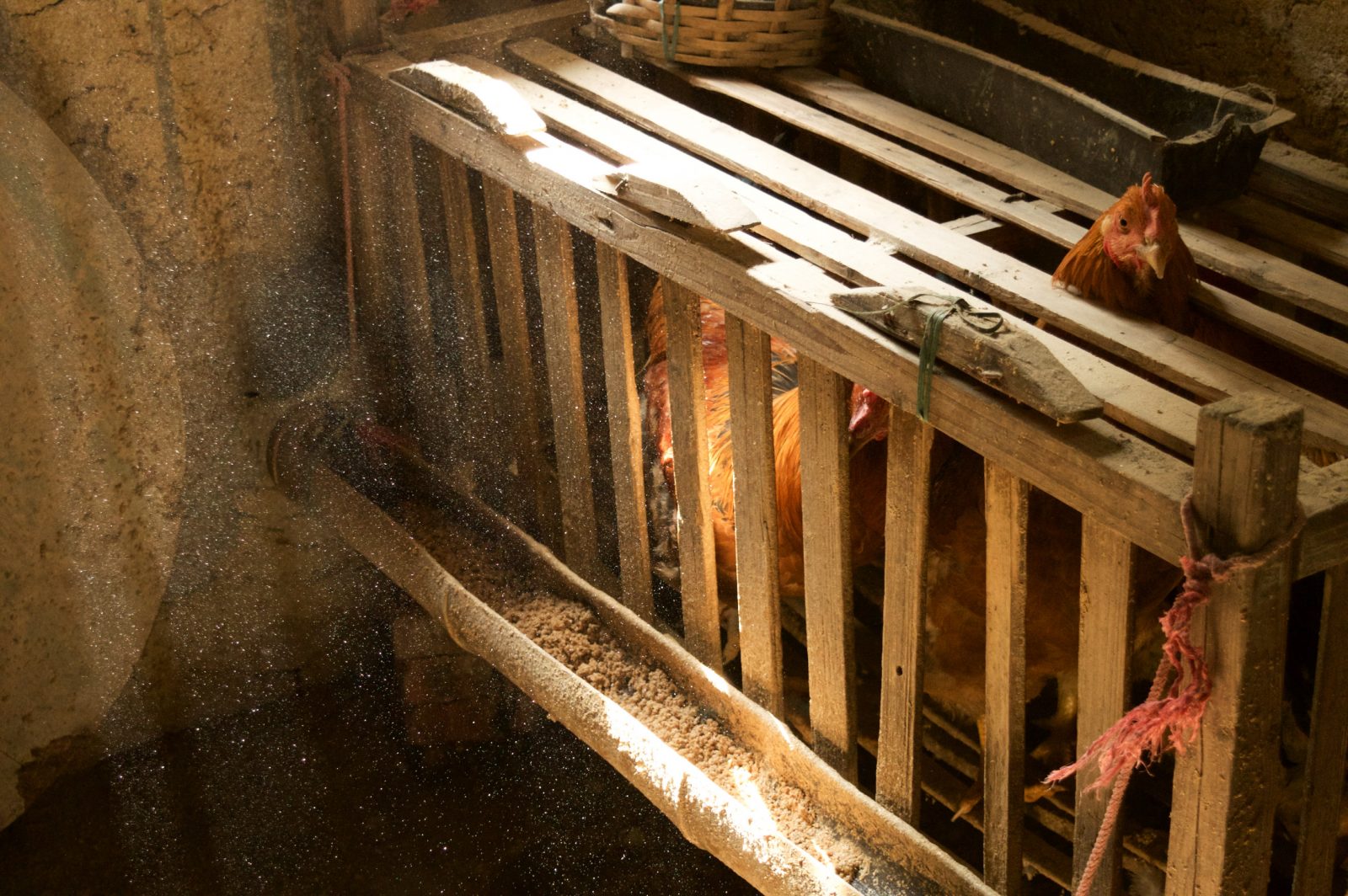
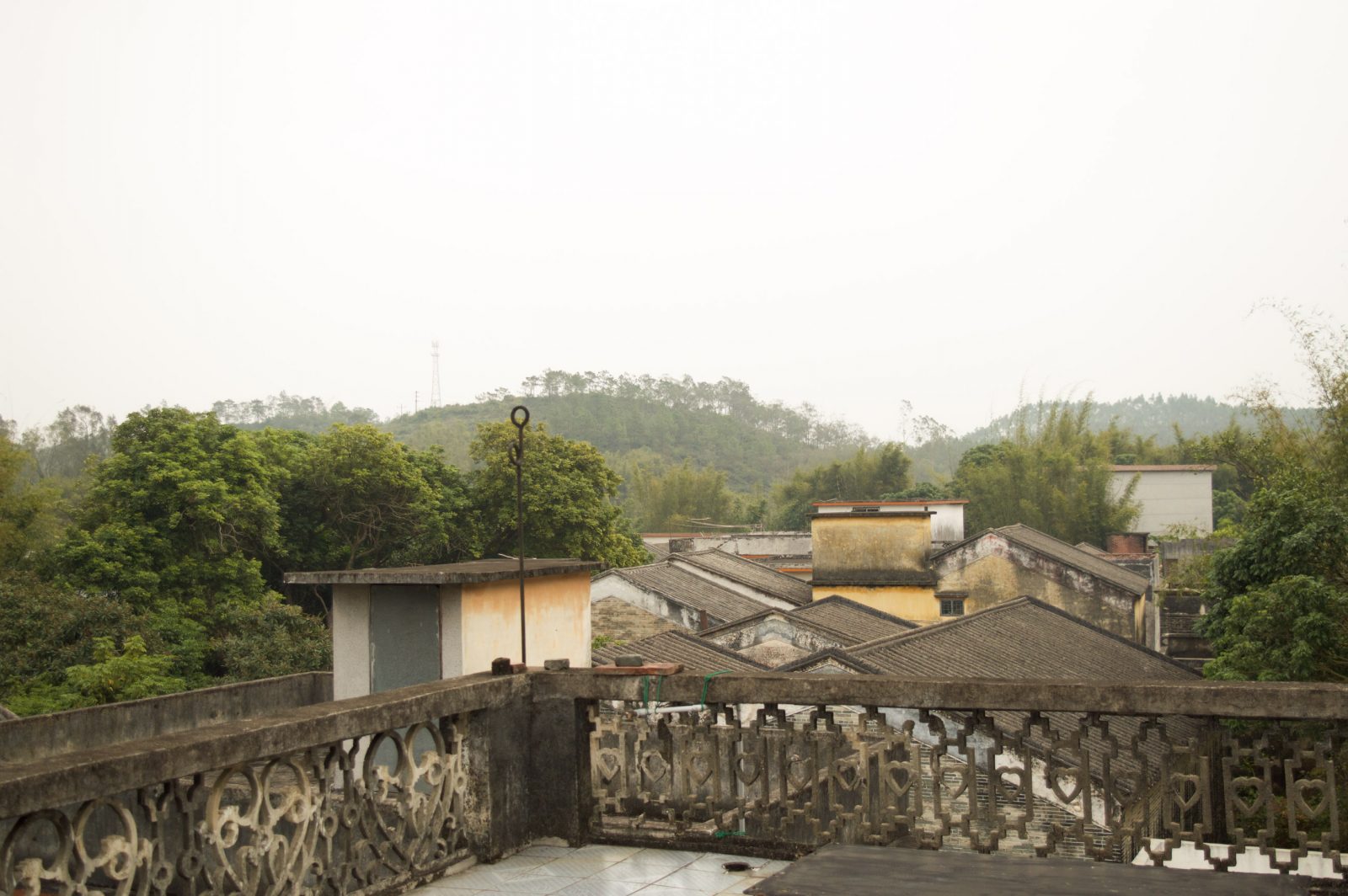
The city of Taishan, where my great-grandmother grew up. This is the view from the rooftop of her home, which is now being preserved by my father. Many of the first immigrants to Canada are of Taishanese descent.
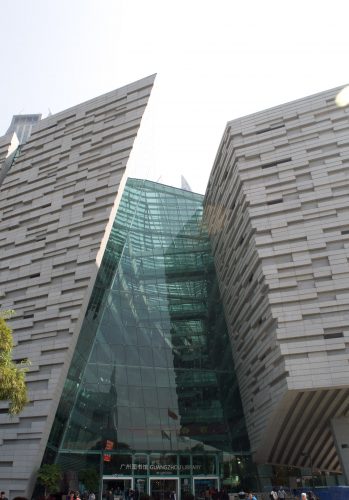
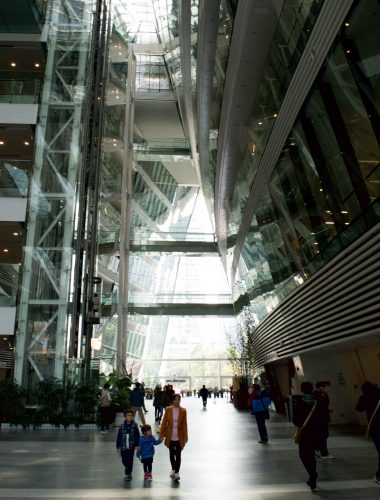
Zhujian New Town, in the district of Tianhe, planned as Guangzhou’s Central Business District is flanked by skyscrapers and cultural buildings.
One significant building in the area is the New Guangzhou Public Library.
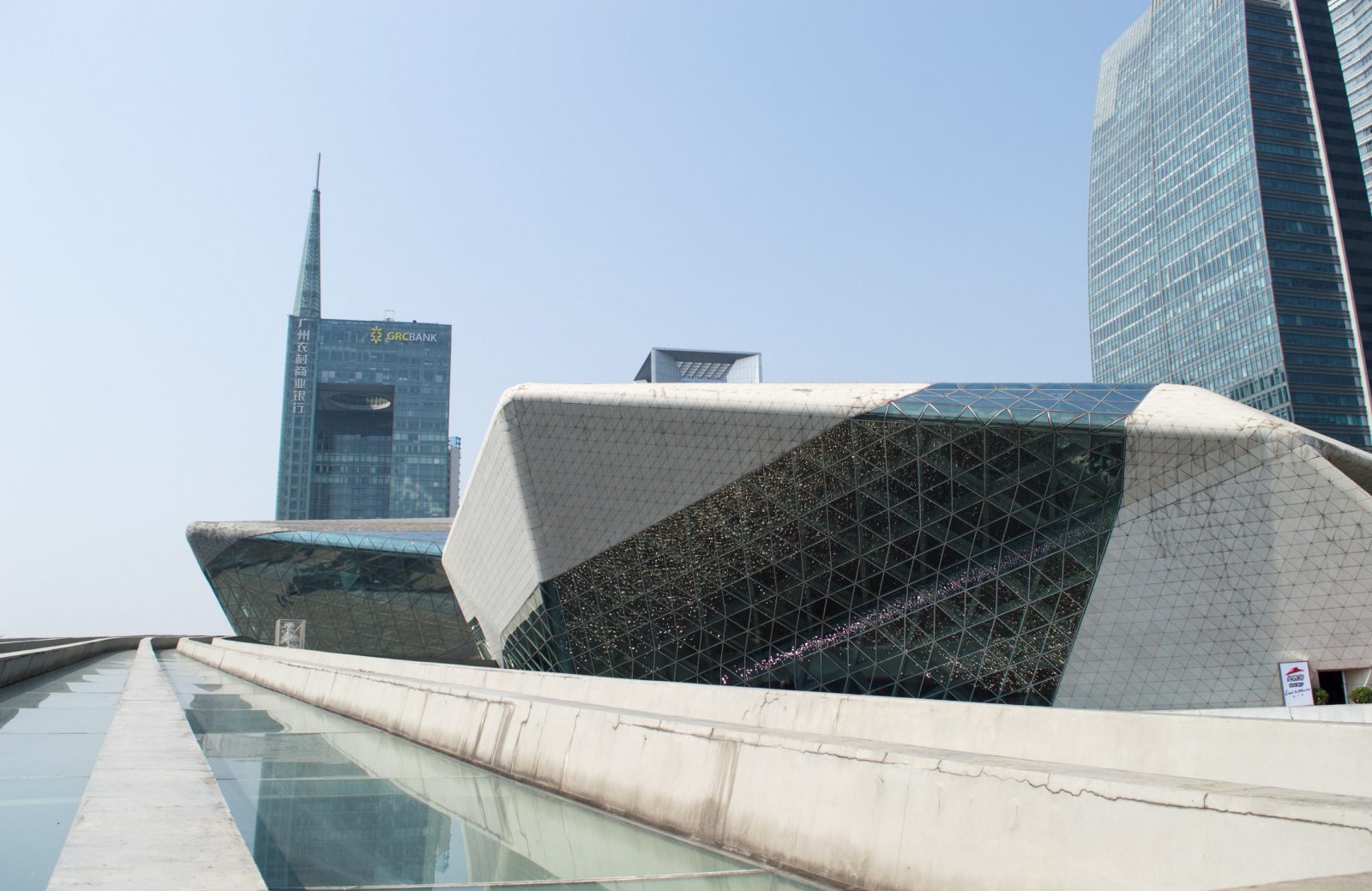
The Guangzhou Opera House by Zaha Hadid Architects is one of many futuristic buildings in the area. Others include Guangdong Museum, the Second Children’s Palace, and the Canton Tower.


Leave a Reply